




MUSCAT, OCT 18
Petroleum Development Oman (PDO) estimates its remote electrical fault-analysis system avoided about 275 field dispatches between 2024 and mid-2026, reducing the need for engineers to travel across its extensive power network.
The company recorded 555 electrical incidents and protection events during the period, with approximately half resolved remotely, Ahmed bin Humaid al Shuaili, Power Protection Lead-South in PDO’s Electrical Function, told IEEE PowerTalks 2026 in Muscat on Monday.
The estimate of avoided dispatches was derived from those results, rather than a separate count of cancelled journeys.
The system, known as the Protection Relay Engineering Workstation (PREW), enables engineers to retrieve protection-relay records at a central engineering desktop within minutes, allowing fault analysis to begin without an initial site visit.
Previously, engineers might have had to travel to a substation, download the records and return to the office before conducting detailed analysis. Road closures during adverse weather could further delay access.
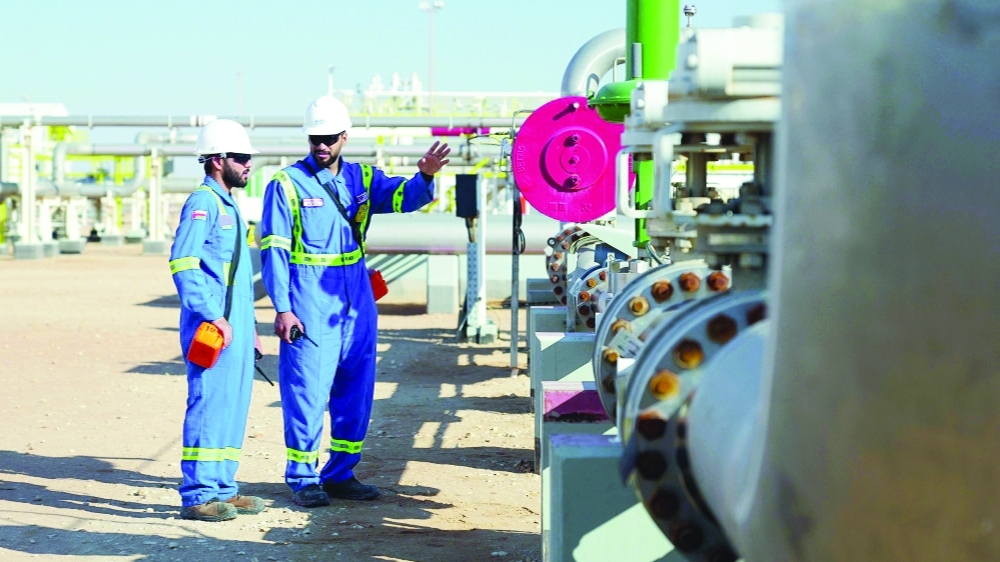
PDO’s electrical infrastructure includes more than 28 generating units, over 40 substations operating at 132 kilovolts and approximately 4,000 kilometres of transmission lines.
Engineering teams operate from northern and southern clusters at Yibal and Nimr, with some assignments requiring journeys of around 200 kilometres each way.
PREW links protection relays, local communications networks and fibre-optic connections already installed at substations through a central server, limiting the need for additional communications infrastructure.
Al Shuaili cited an incident at a generating station during severe weather in which remote access enabled engineers to diagnose the fault on the same day, saving about 24 hours in restoration time.
Other examples included an incident at a gas-compressor station and several weather-related events investigated from a single location, avoiding separate field journeys.
The presentation recorded 250 electrical incidents and protection events in 2024, 180 in 2025 and 125 in the first half of 2026. Weather-related events accounted for 123, 54 and 25 respectively, totalling 202, or about 36 per cent of all events.
The first-half figure for 2026 is not directly comparable with the two full-year totals.
The presentation put the remote analysis and response cycle at 24 to 48 hours. This covers a broader process than retrieving relay records, which can take minutes, and does not mean every equipment outage is restored within two days.
PDO also uses existing communications links to transmit some supervisory signals that would otherwise require additional cabling. A five-year expansion plan outlined in the presentation covers 10 substations and about 70 equipment bays, although no financial savings from this approach were disclosed.
PREW now covers about 60 per cent of PDO’s electrical network, Al Shuaili said. Approximately 30 per cent of installed smart metres have also been integrated with the system.
A separate plan to integrate surge-arrester data remains on hold pending wider support from equipment vendors.
A technical paper presented by Al Shuaili and PDO colleagues in May 2026 described a three-year rollout covering approximately 50 per cent of the network. The latest presentation reported higher coverage, but did not specify whether the two figures were calculated on the same basis.
The presentation did not disclose PREW’s deployment cost, quantified operating-cost savings or an estimate of production losses avoided.
Oman Observer is now on the WhatsApp channel. Click here